Physical Address
304 North Cardinal St.
Dorchester Center, MA 02124
Physical Address
304 North Cardinal St.
Dorchester Center, MA 02124

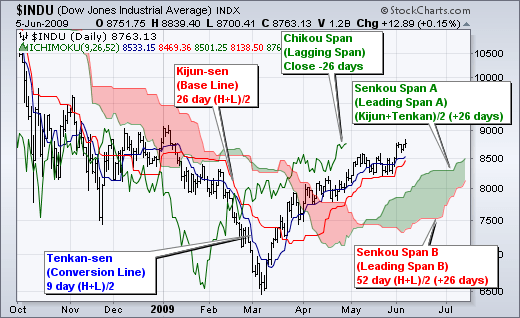
The Kijun Line, also known as the Base Line in the Ichimoku system, represents the midpoint of price over a specific period—traditionally 26 periods. It acts as a trend confirmation tool and dynamic support/resistance level.
In simple terms, it helps traders answer one key question:
Is the market trending—or just moving sideways?
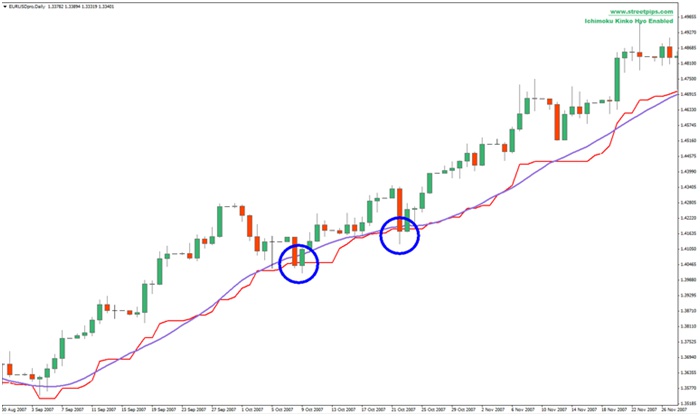
When price stays above the Kijun Line, the trend is generally bullish. When price remains below it, the trend tends to be bearish.

4
The Kijun Line is part of the broader Ichimoku Kinko Hyo indicator. Within this system, it works alongside:
However, many traders isolate the Kijun Line because of its simplicity and reliability in trend identification.
The Kijun Line by most55 Forex Indicator is a modified version of the traditional Kijun. It is designed to:
This customized version often includes alert systems, color-coded signals, and optimized calculation periods.
Unlike the default Ichimoku setting:
These enhancements aim to help traders act faster and with more confidence.


4
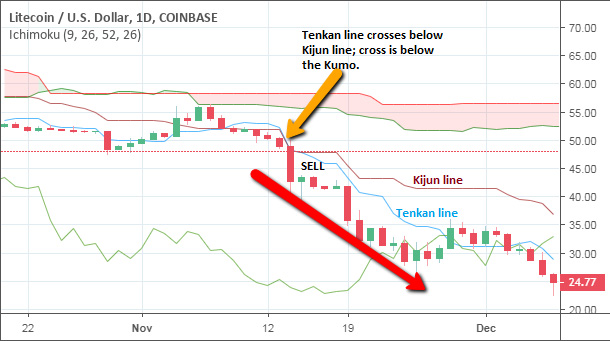
The indicator typically generates signals based on:
For example:
Traders commonly use:
Entry:
Exit:
The line can act as a trailing dynamic stop-loss in trending markets.
The biggest advantage? Clarity.
It filters market noise and confirms whether momentum supports your trade idea.


4
The Kijun Line often acts as:
Price frequently pulls back to it before continuing in the trend direction.
Because the line represents a midpoint equilibrium, it often helps traders enter after minor pullbacks rather than chasing price.
No indicator is perfect—and honesty matters in proper Kijun Line by most55 Forex Indicator Reviews.
Like all moving-average-based tools, it reacts to price—it doesn’t predict it.
In fast markets, signals may come slightly late.
It works best in trending markets.
During sideways conditions, you may experience:
Smart traders combine it with volume or price action confirmation.
The indicator is typically built for:
Installation usually involves:
Most traders stick to:
Beginners should avoid changing core calculations until they understand its behavior.
When price breaks above the Kijun after consolidation:
Wait for:
This method reduces emotional entries.
Check:
This alignment boosts probability.
The Kijun Line by most55 Forex Indicator suits:
Scalpers may find it slightly slow unless combined with faster indicators.
Many traders report:
Pros:
Cons:
For deeper learning about Ichimoku trading concepts, you can explore educational resources such as Investopedia’s Ichimoku guide:
https://www.investopedia.com/terms/i/ichimoku-cloud.asp
Yes, especially for traders who understand basic trend concepts.
Most versions do not repaint after candle close, but always test in demo first.
It’s better combined with price action or support/resistance analysis.
H1 and H4 tend to provide more reliable signals.
It can be more balanced because it uses midpoint calculations rather than simple averaging.
Yes, since it’s price-based, it can apply to other markets.
After reviewing multiple aspects, the Kijun Line by most55 Forex Indicator Reviews suggest that it’s a solid trend-confirmation tool—especially for traders who prefer simplicity.
It won’t magically double your account overnight. But when used correctly, with risk management and confirmation tools, it can:
In trending markets, it shines. In ranging markets, caution is required.
Ultimately, success doesn’t depend on the tool—it depends on discipline.
The Kijun Line by most55 Forex Indicator Reviews reveal a powerful yet straightforward tool designed to improve clarity and trend identification. It’s not a “holy grail,” but it’s a reliable assistant in a trader’s toolkit.
Test it in a demo account. Study its behavior. Combine it wisely.
And remember—consistency beats complexity every single time.